
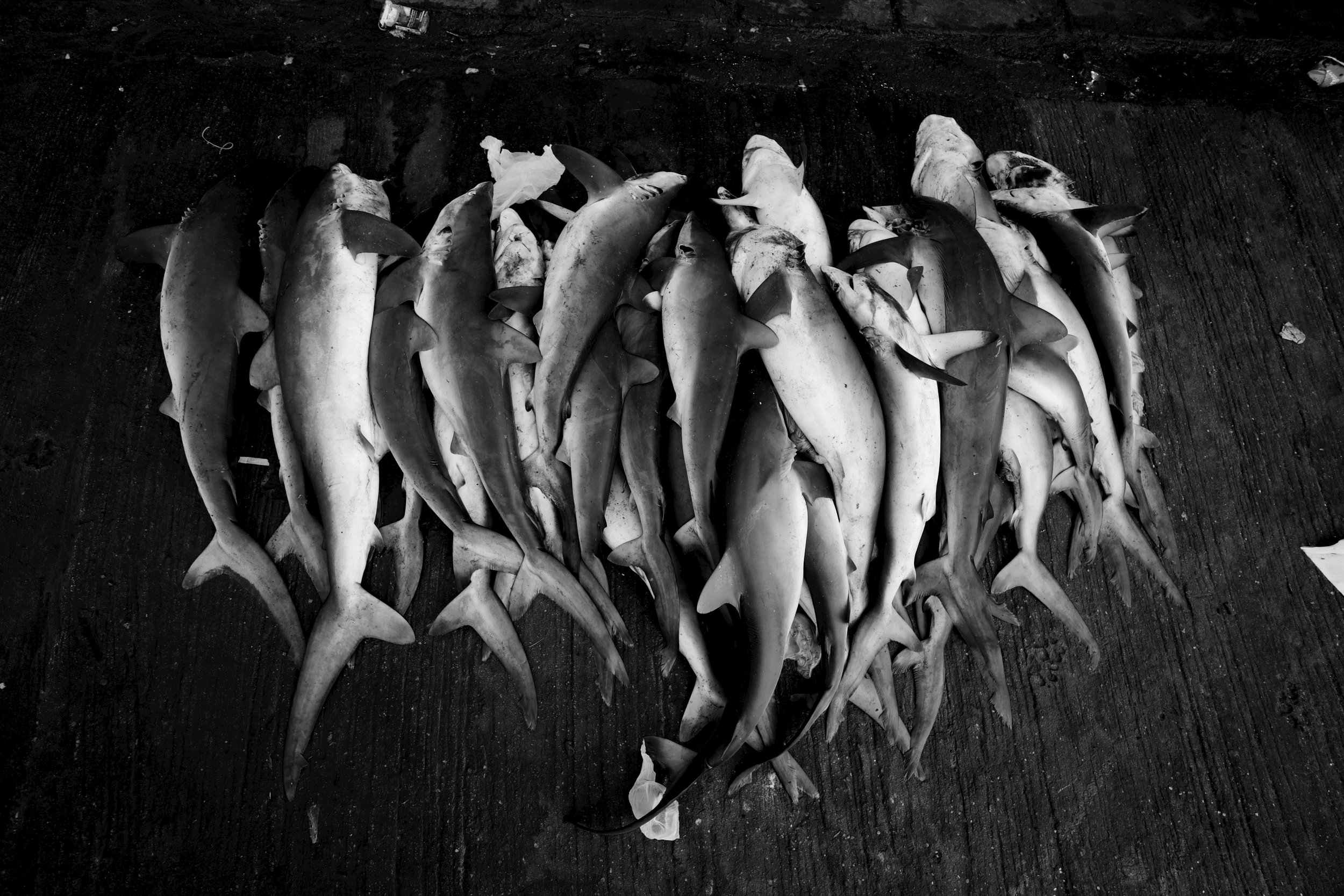
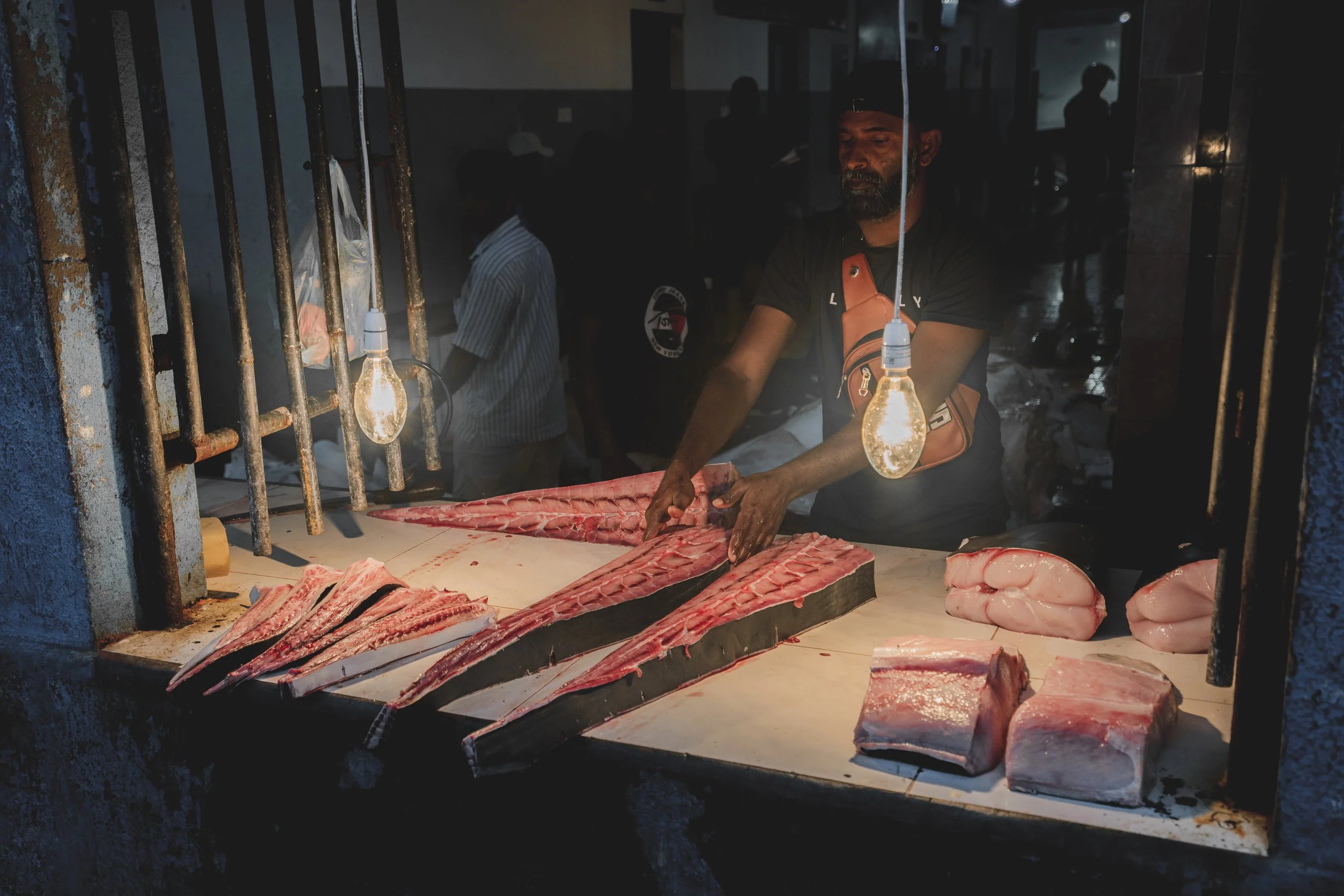
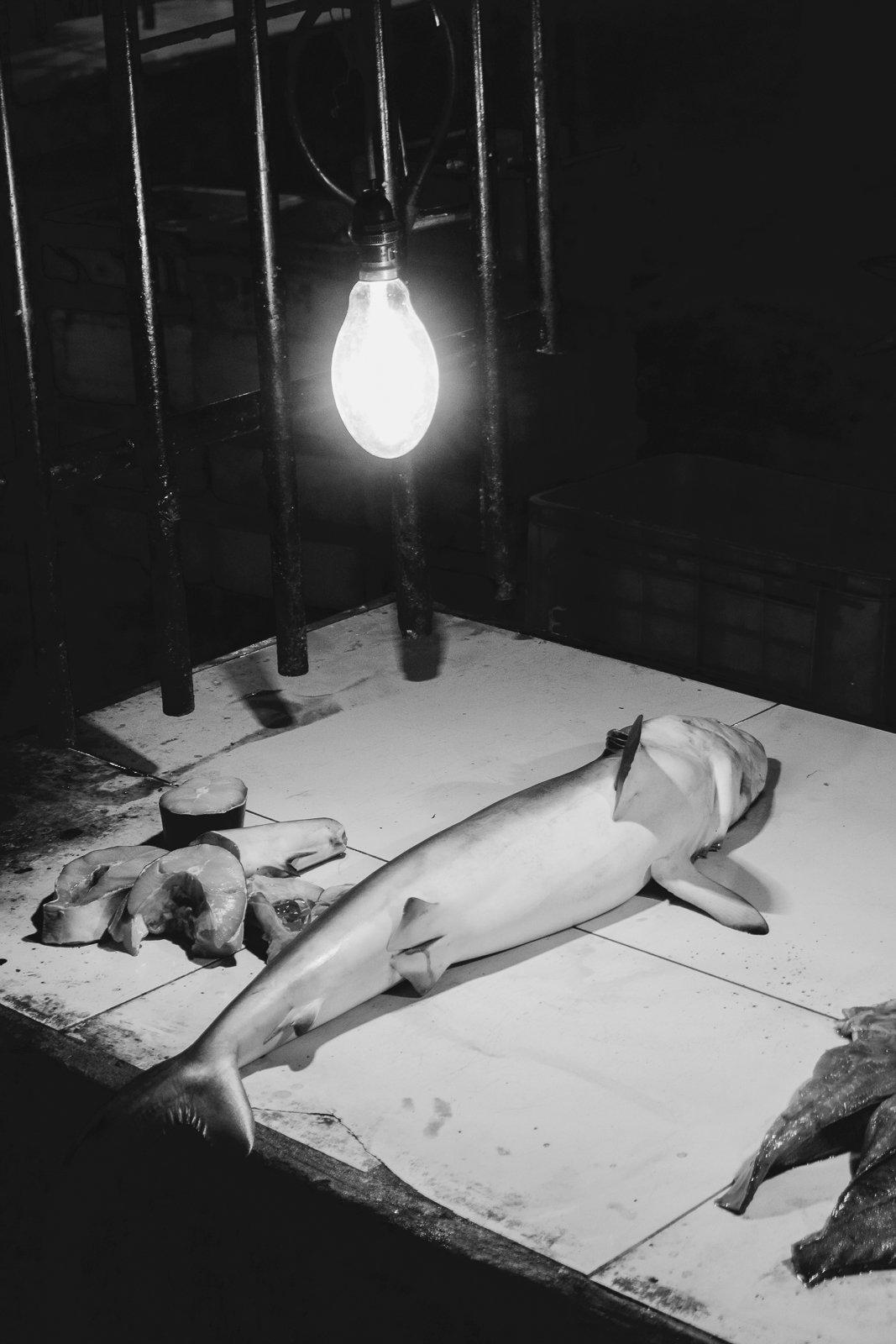
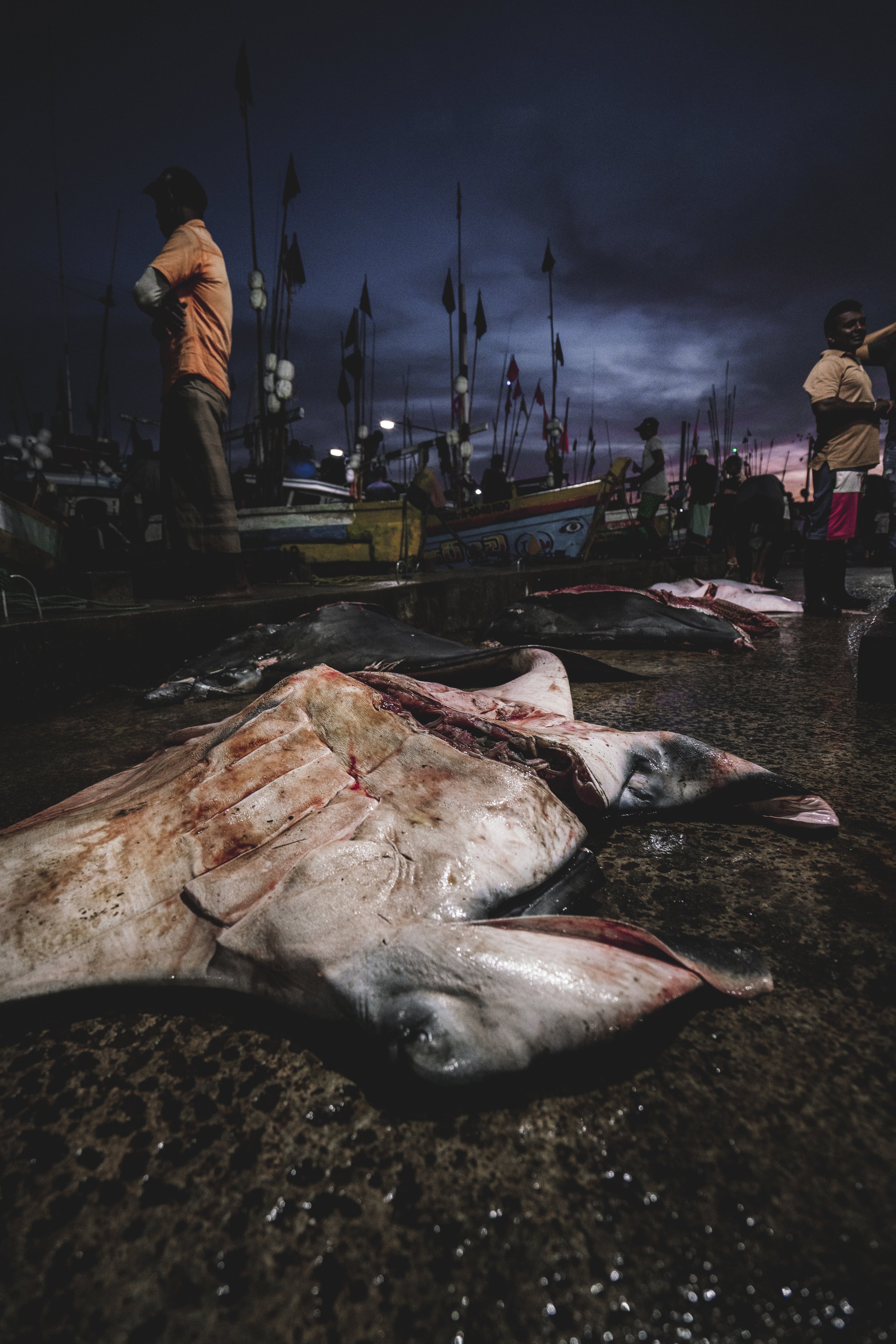
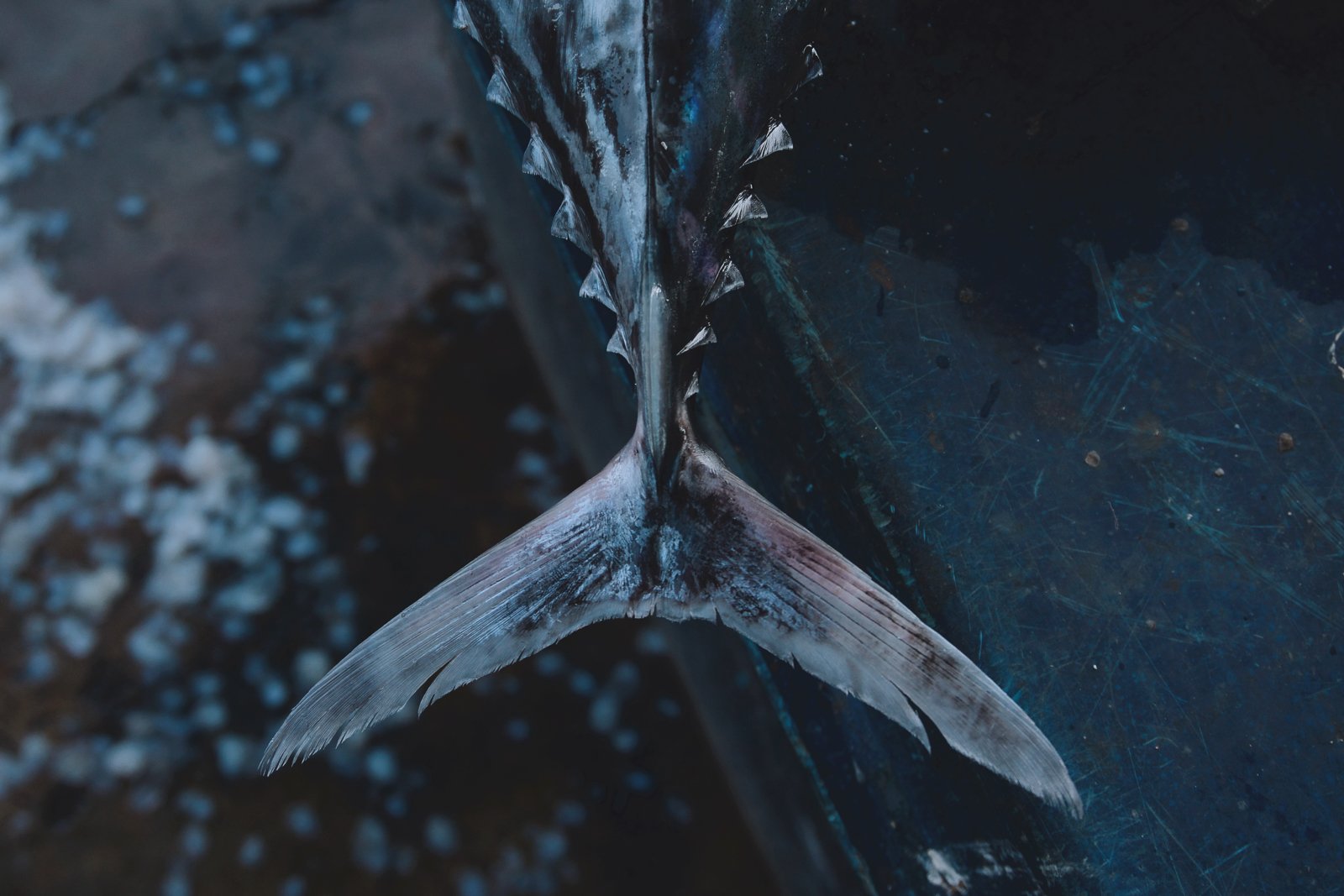
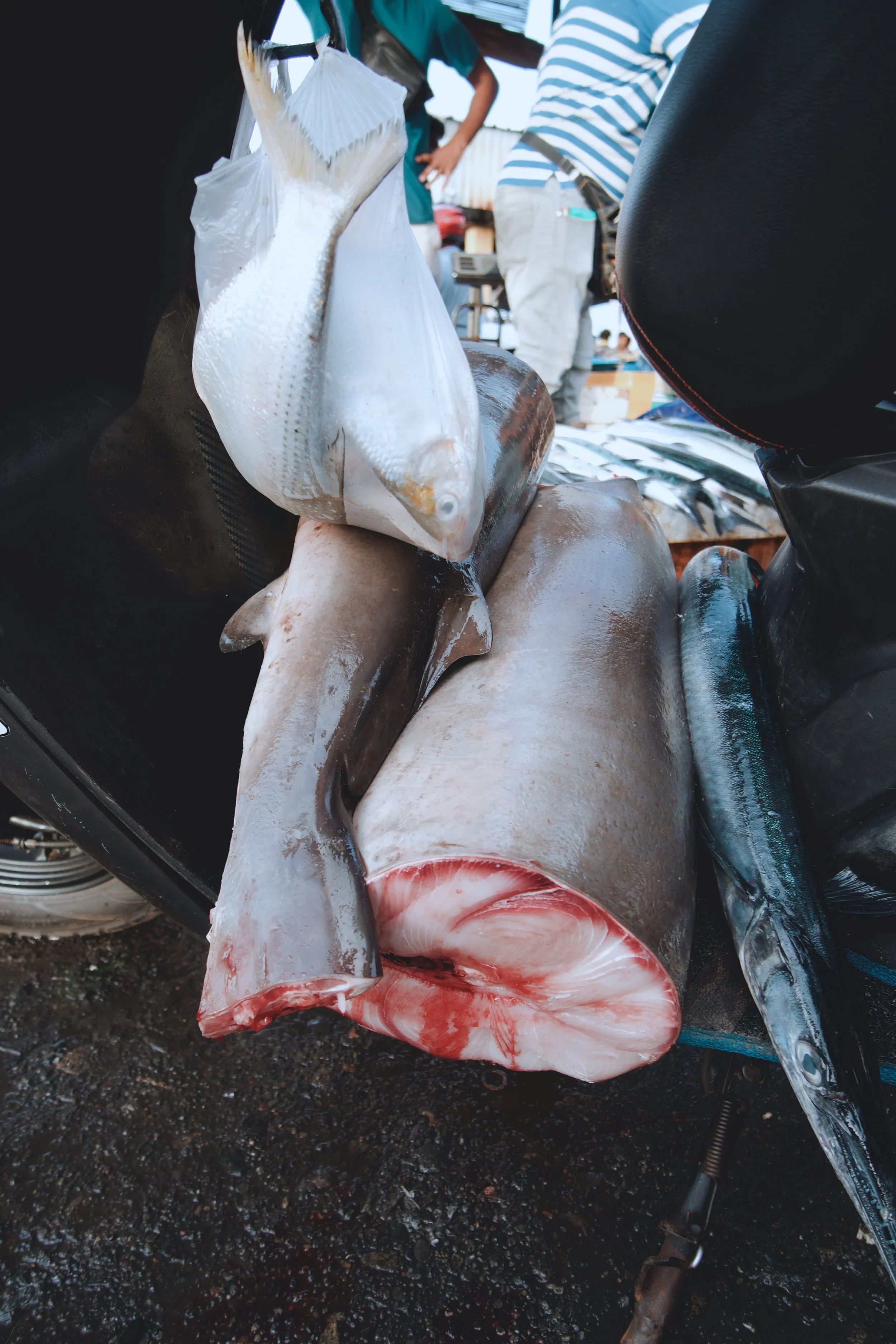
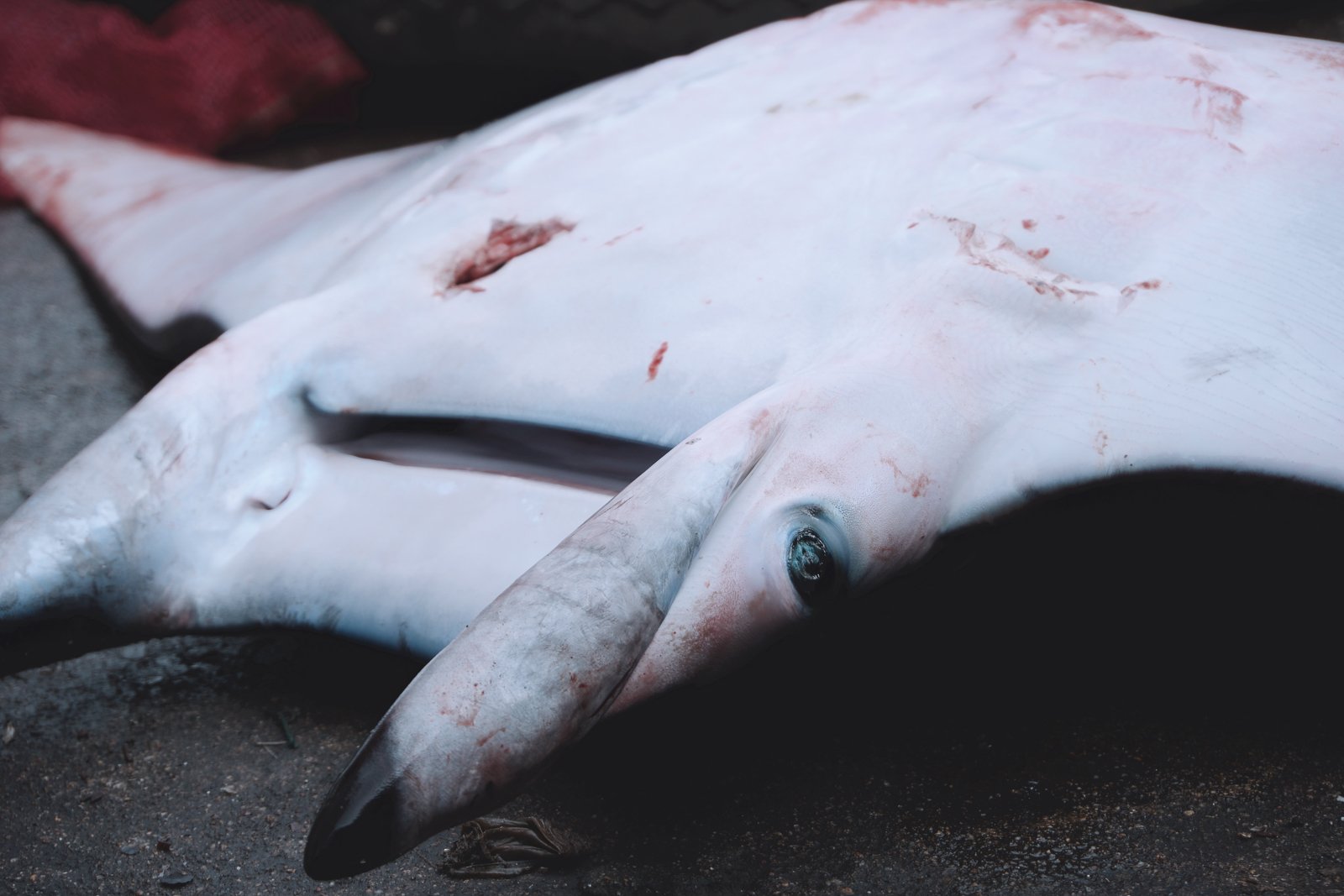
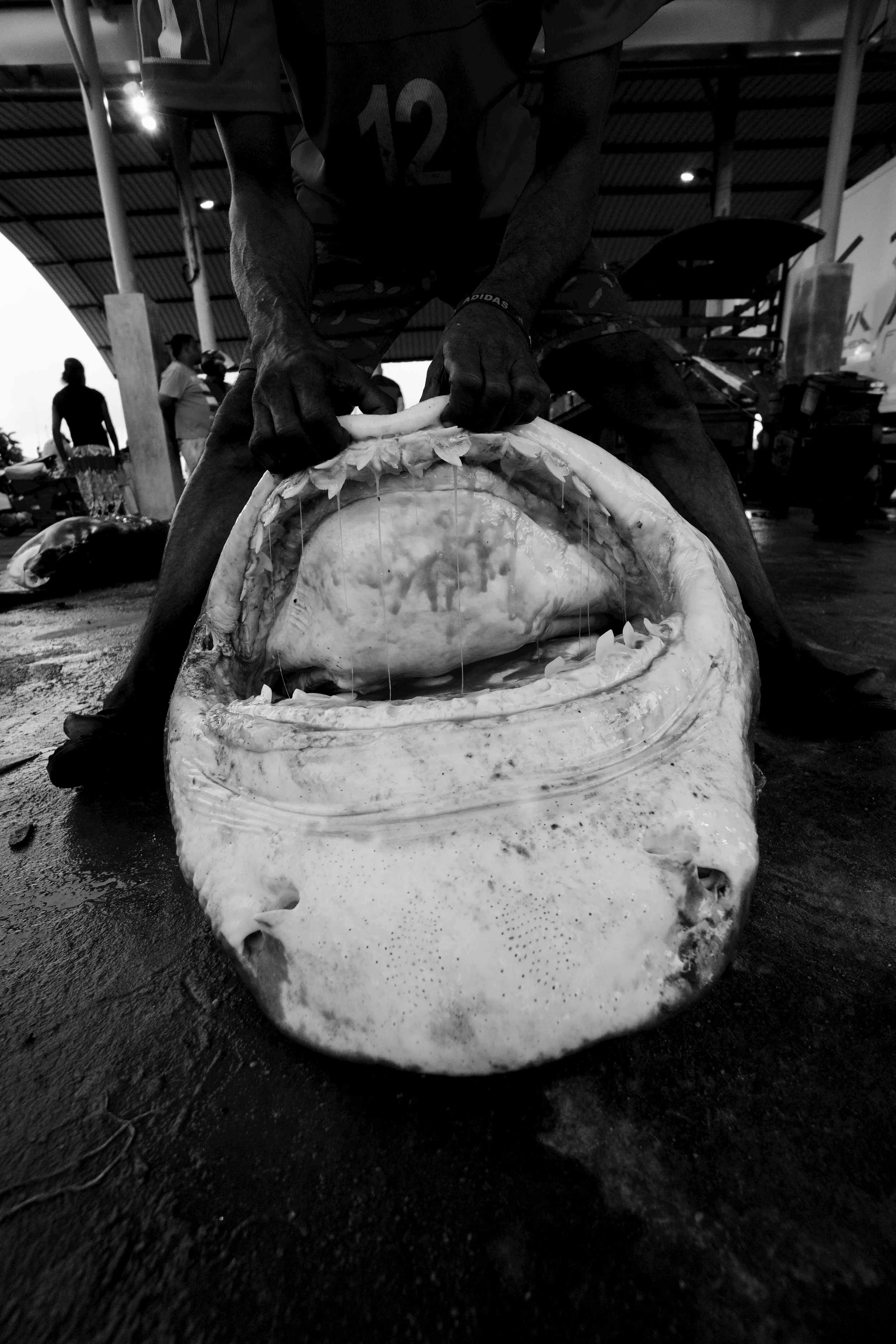
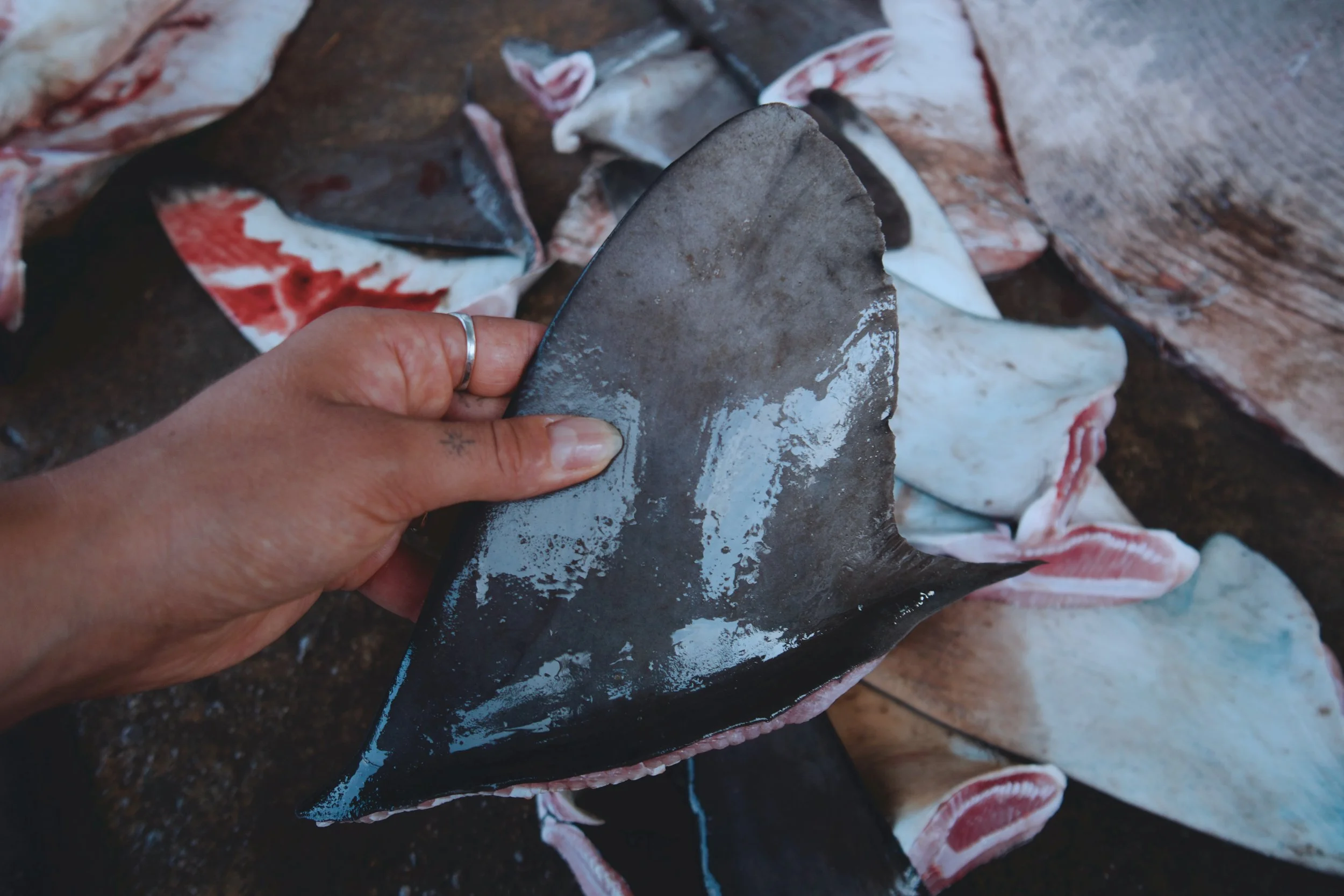
In 2022 and 2023, Noemi spent six months in Sri Lanka researching and documenting the trade of sharks and rays, focusing on the demand and consumption of shark and ray meat. Sharks and rays are mostly caught as bycatch within the more profitable tuna and billfish industry. In the fishery harbors, boats unload their catches early in the morning. Among the haul of tuna and billfish, sharks are also offloaded. However, it's not just sharks that fall victim to bycatch - rays such as devil and manta rays are caught too.
What distinguishes them from other fish species are their life history traits. Sharks are mostly valued for their fins, although their meat now has high domestic value as well. Similar to sharks, mobula rays have a very low reproductive rate and mature slowly, making them highly vulnerable to overfishing. While the media often highlights shark bycatch, rays are also captured in significant numbers. Despite being mostly caught incidentally, they hold high value - particularly in their gill plates, which in traditional Chinese medicine are believed to benefit respiratory conditions. While gill plates and shark fins are exported, the meat is consumed domestically.

Next →
The Bubu Fishers of Alor